Natural Lip Gloss: A Sheer Shine Decision Guide
A practical Natural guide to deciding how much sheer lip shine to use, whether to add another lip layer, and what nearby makeup to simplify.
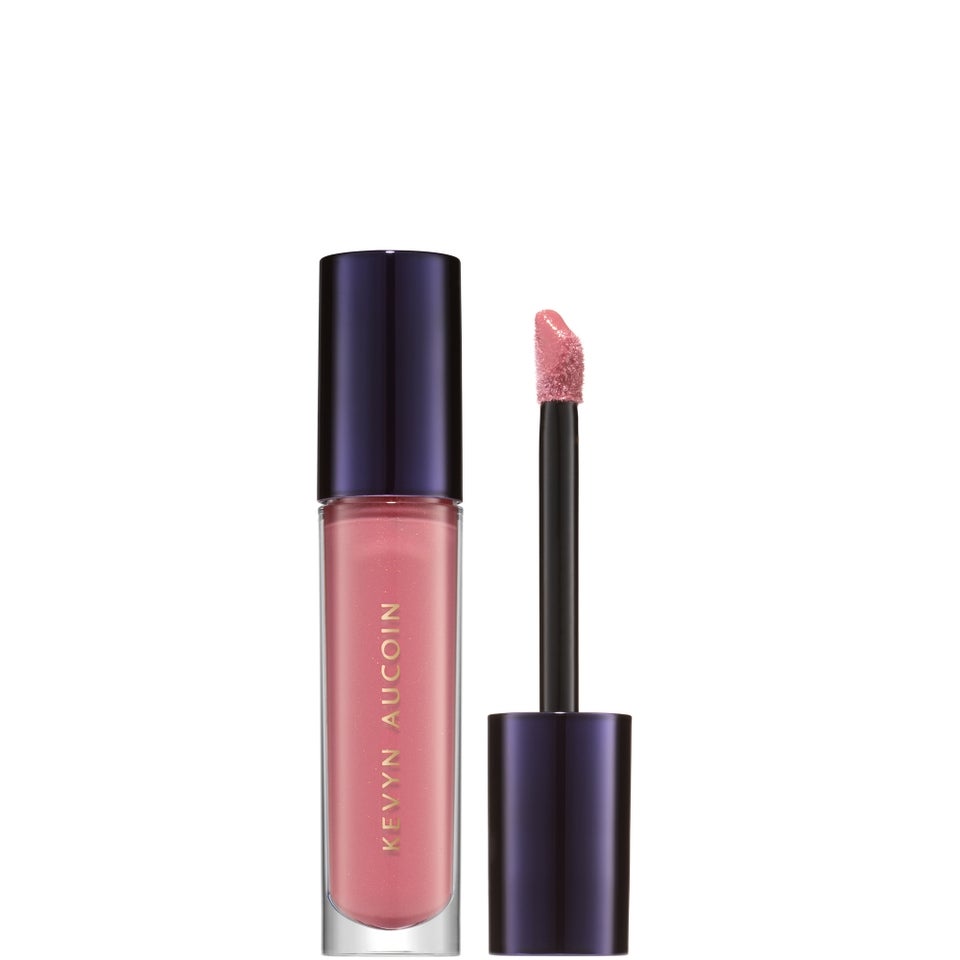
Kevyn Aucoin Celestial Lip Gloss in Savanna can work for a Natural makeup direction when its sheer shine is treated as one easy focal finish, not as a cue to polish every feature. The product is described as sheer and reflective, so the useful decision is how much color, edge definition, and nearby shine the complete face needs. Start with one swipe, look at the whole face, and add another layer only when the lip still feels too quiet.
Decide what the gloss should do
Begin by choosing one job for the gloss. It can add a wash of color to bare lips, soften the look of a liner, or bring shine to lipstick. Trying to make it do all three at once can lead to extra layers before you have judged the first one. The brand description identifies the finish as sheer and reflective, which makes it easier to build gradually than to remove excess after the fact.
For a Natural direction, an open and relaxed result usually matters more than a perfectly traced mouth. That does not mean careless application. It means using precision only where it improves the whole look. Apply the broad part of the curved tip across the center, then use the point at the corners or cupid's bow only if those areas need a cleaner boundary.
Look at the gloss from normal conversation distance rather than only in a close mirror. A close view highlights every edge, while the complete face reveals whether the shine feels integrated. If the lip is visible but not isolated from the rest of the makeup, the first layer is probably enough.
Choose one layer or two
Wear the Savanna gloss alone when you want natural lip color to remain part of the result. Its sheer finish lets the underlying lip tone participate, so the effect will vary from person to person. The goal is not to predict one universal shade outcome. It is to decide whether the visible wash and shine are enough for your chosen makeup contrast.
Add liner when the lip shape disappears beside stronger brows, lashes, or eyewear. Keep the liner close to your own lip color if the gloss should remain the main finish. Blend the line inward before adding gloss so there is no hard ring around a soft center. This creates definition without turning a relaxed lip into a separate graphic feature.
Layer over lipstick only when you want both color and reflected light. Put lipstick where you need opacity, then add gloss mainly through the center. The product listing says it can be worn alone or over liner or lipstick, so these are supported uses rather than promises about performance. The general gloss guide also separates coverage, texture, and finish, which is a useful reminder to judge each layer for a different purpose.
Use this three part check before adding more:
- Does the current layer give enough visible color?
- Does the shine connect with the rest of the face?
- Would another layer add a useful difference or only more product?
Stop when the answer to the last question is only more product. Sheer formulas can invite repeated swipes because each pass looks modest on its own. The complete result matters more than the number of coats.
Balance shine across the face
Once the lip is set, compare it with the other reflective areas. Dewy skin, shimmer on the eyes, glossy cheeks, and a reflective lip can each look appealing, but using all of them at equal strength removes the focal hierarchy. Let the lip lead, then make at least one nearby surface quieter.
If your base is luminous, keep the eye finish soft and controlled. If your eyes already carry shimmer, use a smaller amount of gloss and skip a bright cheek highlight. If the rest of the face is matte, the lip can hold more reflected light without competition. These are adjustment rules, not fixed combinations.
Color intensity needs the same check. Savanna may read differently depending on natural lip color and any layer underneath it. Compare the lip with blush and eye color in the lighting where you will actually be seen. When all three areas compete, soften one rather than automatically muting the gloss.
The easiest Natural result often comes from repeating a quality once without copying it exactly. A softly luminous base can echo the gloss, while a textured brow or separated lash keeps the face from becoming uniformly slick. This creates connection with enough variation to keep the makeup easy.
Check the result before buying
Use the listing and product image to confirm that you want a sheer, reflective gloss rather than an opaque lipstick effect. The shaped applicator is useful when you want both a broad wash and selective edge control, but it cannot decide whether the shade or texture suits your preferences. Treat the seller's current price and availability as information to confirm at the destination, not as a promise from this guide.
Before purchasing, compare the product with a gloss you already own. Ask whether you need a different shade, a different finish, a more controllable applicator, or simply a replacement. If the answer is only that the product is new, wait. If the sheer finish and application shape solve a real gap, the choice has a clear purpose.
For readers building the rest of the face around the lip, the Natural matte foundation guide offers a complementary method for keeping base coverage even without making it look rigid. Use that approach when a quieter base will give the Savanna gloss enough room to lead.
The final check is simple: the gloss should contribute shine, color, or soft definition while the complete face still feels open. Start with one job, add only the layer that solves a visible need, and simplify one competing finish. That sequence makes the product easier to judge before buying and easier to use after it arrives.