One Reversible Belt for a Natural Wardrobe
Turn one tan and black reversible belt into three Natural outfit formulas, then use waist ease and hard break checks to decide which face works.
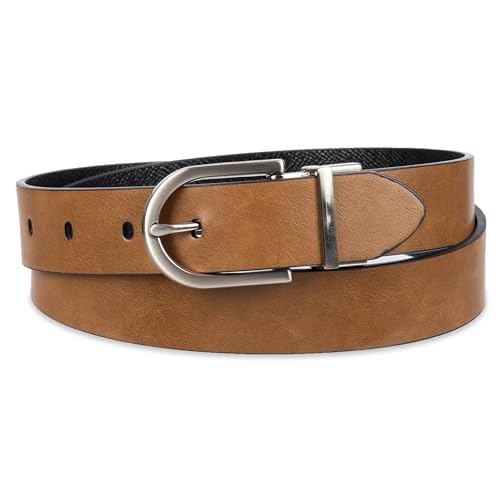
A Natural can use one reversible belt across jeans, relaxed trousers, and dresses by changing more than the color. Flip to the face that connects with the outfit, place the belt where the garment already suggests a waist, and step back to see whether the line still feels easy. The goal is a useful anchor, not a tight or isolated stripe. Tan can soften the transition around denim and warm neutrals. Black can repeat a dark shoe, bag, or print when the outfit already carries that visual weight.
The selected Calvin Klein belt is the Small Tan/Black version. It has a 1.18 inch strap, seven oblong holes, and two reversible faces with different colors and textures. The size is listed for sizes 4 through 6. Availability can change, so confirm the selected size and color on the product page before buying.
Start with jeans and one clear anchor
With jeans, decide first whether the belt should blend with the denim story or create a clear repeat. Tan works well when the outfit includes cream, camel, cognac, oatmeal, or another warm texture. The belt then reads as part of a relaxed material mix. Black works when black already appears in a shoe, bag, jacket, or print. Repeating that dark note keeps the belt from looking like a lone horizontal mark.
Keep the top easy around the waistband. A full tuck can work when the shirt drapes and the rise already feels natural, but a loose front tuck or open layer often preserves more movement. Let the belt hold the jeans where they naturally sit. If you have to cinch several holes tighter to make the outfit feel finished, the styling idea is asking the belt to do too much.
Run the hard break check from a few steps away. Cover the belt with your hand, then uncover it. Keep it when the outfit gains a useful center without losing its long, relaxed flow. Flip the color or loosen the tuck when your eye stops at the waist and the top and jeans begin to look like unrelated halves.
Anchor relaxed trousers without stiffness
Relaxed trousers already carry ease through their drape, width, or softer waistband. Use the belt to clarify that ease rather than correct it. Thread it at the trousers' natural resting point and leave enough room for the fabric to fall cleanly below the waist. A belt that pulls the waistband into sharp gathers can make the whole formula look fussier than the trousers intend.
Choose tan when the trousers and top live in a low contrast range, such as stone with ivory or olive with camel. The warmer face can bridge those colors without becoming the only crisp element. Choose black when the trousers are dark or when another black detail gives the outfit a second anchor. The decision comes from the complete outfit, not from a rule that tan is casual and black is dressy.
Check the buckle area while sitting and standing. The waistband should stay where you placed it, while the shirt and trouser fabric still have room to settle. If the belt turns the middle into a rigid band, try one looser hole, move the shirt slightly over the waistband, or flip to the lower contrast face. The useful version defines the outfit lightly and then lets the fabric move.
Belt a dress where shape already exists
A dress does not need a belt simply because one is available. Start with dresses that already suggest a waist through a seam, wrap, gathering, or change in fabric direction. Place the belt on that cue rather than drawing a new line across the widest, loosest part of the dress. This keeps the belt connected to the garment's construction.
For a soft knit or textured day dress, tan can echo the relaxed surface and keep the waist readable without making it severe. For a black dress or a print with dark notes, the black face can feel integrated. On a light solid dress, black creates the strongest break, so repeat it elsewhere and check that the contrast still supports the whole silhouette.
Walk, sit, and raise your arms before deciding. The belt should return to the same general place without making you constantly adjust the dress. If fabric balloons sharply above it or the skirt loses its easy fall, loosen the belt or skip it. Natural style benefits when waist definition looks like part of the garment rather than a separate structure imposed on top.
These three formulas keep the reversible feature useful:
- Jeans: repeat an existing dark detail with black or connect warm texture with tan.
- Relaxed trousers: follow the waistband's resting point and preserve the fabric's fall.
- Dresses: use an existing waist cue and confirm that the skirt still moves easily.
The Doshi guide to belts with jeans reinforces the value of choosing contrast deliberately. For a Natural outfit, add the waist ease and hard break checks before keeping that contrast. Those two checks turn a general color choice into a proportion decision.
Make the final flip and buying check
Use a quick order before you leave the mirror:
- Match the belt position to a waistband, seam, wrap, or other existing waist cue.
- Choose tan or black by looking for connection or purposeful repetition in the full outfit.
- Sit and walk to confirm the garment still settles naturally around the belt.
- Step back and reject the color if it divides the outfit into two stiff halves.
The stated material composition is 47 percent polyurethane and 53 percent split leather, with imported origin and spot clean or wet wipe care. Those facts describe the belt but do not promise how long it will wear. The seven oblong holes give several listed adjustment points, yet the right hole depends on the rise and garment underneath. Confirm the Small Tan/Black option and current availability before purchase.
Keep the belt when it makes jeans, trousers, or a dress feel more connected while leaving the waist easy. Flip it when the other face repeats the outfit more naturally. Remove it when either color becomes a hard stop. That final option matters: a versatile Natural wardrobe is built by using an accessory where it helps, not by forcing it into every look.