Relaxed straight jeans tips for Natural balance
Choose the hem, shoes and top that work with your relaxed straight jeans. Separate fit problems from styling choices, then build three easy outfits.
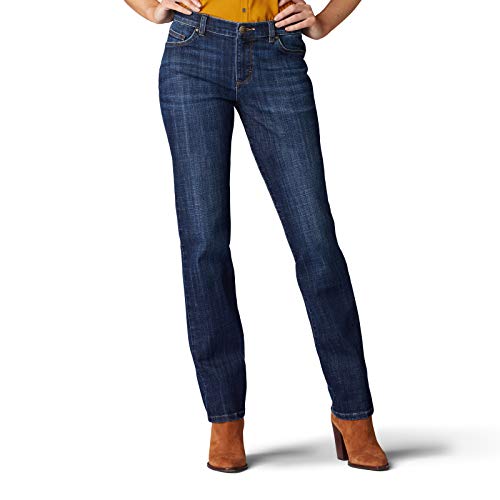
Relaxed straight jeans can give a Natural inspired outfit an easy outline, but the useful starting point is how your own pair sits and moves. Choose room through the leg, then decide whether you want the hem to show a flat shoe or fall over a boot. Neither an ankle crop nor one particular rise is compulsory.
The Lee relaxed straight jean is the example here. Start with your size, wash and usual shoes.
Start with ease, then choose the outline
For a relaxed Natural interpretation, try denim that lets you sit comfortably and leaves some space around the thigh. That is a styling preference, not a rule about which bodies may wear straight jeans. If a higher rise feels more secure than a mid rise, keep the higher rise and adjust the top around it.
Look at the waistband before judging the length. If you keep pulling the jeans upwards, the hem will seem shorter than it is during normal wear. Let the waistband settle where you intend to wear it, then compare the front, side and back. A straight leg need not cling to make the outfit look deliberate.
Separate a styling adjustment from a fit problem. A belt can hold a comfortable waistband where you want it; it is less useful when tightening it produces deep folds while the seat remains tight. If the waist gaps but the hip and thigh feel good, ask a tailor whether a waist alteration suits that pair. Do not assume a dart at the yoke is always the right repair.
Match the hem to the shoe
Choose an ankle finish to show flats, loafers or court sneakers, or a longer hem over boots. Emma Bentley's ankle boot guide recommends judging the jean opening and boot shaft together.
- Catching at the boot? Compare a narrower shaft before shortening the jeans.
- Loose folds above the shoe? Try one cuff to compare lengths.
- Hem touching the ground? Choose a shorter finish or different footwear.
Sit and stand to see whether the hem settles. A cropped gap is optional; socks offer coverage. Before cutting, compare the actual shoes you wear most often. One alteration may not suit both flats and heels.
Balance the top without forcing a tuck
Start with a straight knit tee, relaxed button down or soft overshirt. Try the top loose first, then compare a small front tuck if you want more of the waistband visible. A full tuck is another option when the fabric sits comfortably, but it need not be the default for a relaxed outfit.
When both pieces feel voluminous, change one element at a time. Open the overshirt, shorten the visible top layer or choose a tee with less excess fabric. That makes it easier to see which adjustment gives the outline you want without buying another pair of jeans.
Crew necks, wider scoops and open collars offer different ways to finish the upper half. Washed cotton or a soft flannel can continue the casual mood; a smoother blouse can dress it up. Keep a belt or buckle simple if you want the top and denim to carry the outfit. These are choices to compare, not requirements attached to a type label.
Choose a wash you will wear and care for
A dark wash is an easy starting point for a quieter outfit, while a mid wash can make the same pieces feel more casual. If you enjoy a longer visual line, try a shoe close in color to the denim. Contrast shoes, visible socks and a cuff are also options when you want a more distinct endpoint.
Consider texture and pockets alongside color. Subtle fading may suit a softer outfit, while pronounced whiskering, distressing or bright hardware adds more detail. Compare the rear pocket position on your own jeans instead of using a universal height rule. Keep the version whose overall appearance you prefer when standing naturally.
Read the fabric and care label on your pair before washing, drying, steaming or pressing it. Cold washing inside out and air drying may be options if the label permits them, but they do not replace its instructions. Before paying for a permanent hem, discuss the fabric and usual laundering with the tailor rather than assuming the finished length will never change.
Three outfits to build from your wardrobe
For a weekend outfit, combine relaxed straight jeans with a rib tee, soft overshirt and court sneakers. Leave the overshirt open and compare a loose tee with a small front tuck. A neat cuff is optional if it gives the sneakers the amount of space you like.
For office casual, try a dark wash with a fine gauge crew, unstructured blazer and loafers, where denim suits the dress code. If the blazer covers most of the waistband, leave the knit smooth rather than adding a bulky tuck. Recheck the hem with those loafers before relying on a length chosen for boots.
For evening casual, use a drapey blouse, simple belt and low block heel. A flat shoe can serve the same outfit if that is more comfortable; adjust the hem relationship again. Choose the outfit you can move in and leave alone. For more combinations, browse the Natural tips archive and reuse the pieces that already fit your routine.
When choosing the jeans, use the Lee relaxed straight options to compare the size and wash you want.