One, Two, or Three Necklaces for Flamboyant Gamine
A one, two, or three chain comparison for styling the Pancert layered necklace set with crisp Flamboyant Gamine contrast.
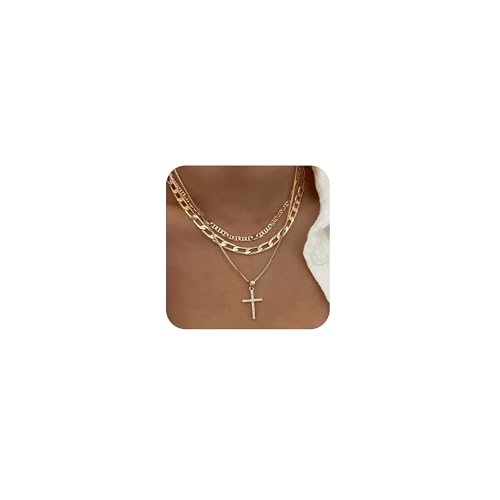
The Pancert set makes the best Flamboyant Gamine choice a question of layer count, not whether every chain must be worn at once. Use one chain when the outfit already has lively contrast, two when the neckline needs a graphic pair, and all three when the top creates a quiet field for jewelry. The useful caveat is that this is brass fashion jewelry with 14K gold plating, so judge it as a flexible styling set rather than a fine jewelry investment.
The listing describes three separate necklaces at 15, 16.1, and 17.7 inches, with a 2 inch extender. Because the flat mariner, paperclip, and cross chains can be worn together or separately, you can change the visual rhythm without buying three unrelated pieces.
Start with the layer count decision
Flamboyant Gamine styling often works through crisp contrast and animated detail. An independent Flamboyant Gamine overview likewise emphasizes graphic accessories and lively finishing touches at a controlled scale. That does not mean more jewelry is automatically better. It means each visible element should have a job.
Use this quick comparison before fastening a chain:
- Choose one when the outfit already has a broken line, sharp collar, bold buttons, or a contrasting print.
- Choose two when the neckline is simple but still needs a clear focal relationship.
- Choose all three when the top is visually quiet and the chains can form three readable steps.
Then check the mirror from normal conversation distance. If the chains merge into one bright patch, reduce the count. If the neckline looks unfinished beside strong cuffs, shoes, or color blocking, add the next chain.
Wear one chain for a precise accent
One chain is the strongest option when the clothes already create the animation. A cropped jacket with contrast trim, a patterned knit, or a shirt with defined hardware may need only one small punctuation mark near the face. The cross chain gives the clearest single focal symbol, while the paperclip chain can echo angular outfit details without adding a pendant.
The flat mariner chain offers another one piece option when you want texture rather than a central motif. Select by the job the outfit leaves open: symbol, geometry, or surface detail. Wearing one is not the restrained default. It is a deliberate way to prevent the accessory from competing with details that are already doing useful work.
Wear two chains for a graphic pair
Two chains are the middle setting, but they should read as a relationship rather than a partial stack. Start with the paperclip and cross chains when you want an angular line above a focused pendant. Their different shapes make the pairing easy to understand, especially above a simple crew, square, or open shirt neckline.
Alternatively, pair the flat mariner and cross chains when the outfit has less texture and can use both a compact surface change and a focal symbol. Keep the cross lowest so the eye has a destination. The listed 16.1 and 17.7 inch lengths create only a modest starting difference, so use the extender to test whether the two shapes stay visibly separate with your chosen neckline.
A two chain combination earns its place when removing either chain makes the idea weaker. If the top already has a strong central detail, switch to one. If the space between the neckline and jewelry still feels blank, consider the full set.
Wear all three for controlled animation
All three chains can supply the lively, broken rhythm associated with Flamboyant Gamine styling when the garment itself is quiet. A solid top with a clean neckline gives the flat mariner, paperclip, and cross elements room to register as three different notes. The cross should remain the final focal point rather than getting lost among equal accents.
The three listed lengths begin close together, so placement matters. Fasten the shortest chain first, then add the middle and longest chains while watching the actual gaps. Use the extender to improve the sequence, but do not assume the listed measurements guarantee identical spacing on every neckline. The goal is a stepped composition, not maximum shine.
If all three chains compete with earrings, collar hardware, or a busy print, remove one source of detail. Flamboyant Gamine energy comes from purposeful contrast. A stack that hides its own shapes cannot provide that clarity.
Check the set before you buy
The product listing identifies brass with 14K gold plating, while a matching product page also identifies brass and a lobster clasp. Those are purchase facts, not promises about wear time or performance. Review the current retailer details and images before ordering because listings can change.
Use this tailored check:
- Confirm that you want three separate necklaces rather than one fixed multirow piece.
- Compare 15, 16.1, and 17.7 inches with necklaces you already own.
- Decide whether the 2 inch extender gives your preferred pair or trio enough visible spacing.
- Check that the flat mariner, paperclip, and cross mix suits the details you repeat most often.
The set is most useful when you can name at least two wearing modes before buying. For example, choose the cross alone with a patterned jacket, then use all three with a plain crew neck. That is a clearer value test than asking whether the full stack looks exciting in a product photo.
One, two, and three are not rankings from timid to bold. They are separate composition tools. Choose the count that makes every visible chain legible, keeps one focal idea clear, and completes the outfit without asking the jewelry to do every job.