Western Ankle Booties for Theatrical Romantic
Use this decision guide to check a western ankle bootie's toe, shaft, heel, movement, and outfit balance before styling it with Theatrical Romantic lines.
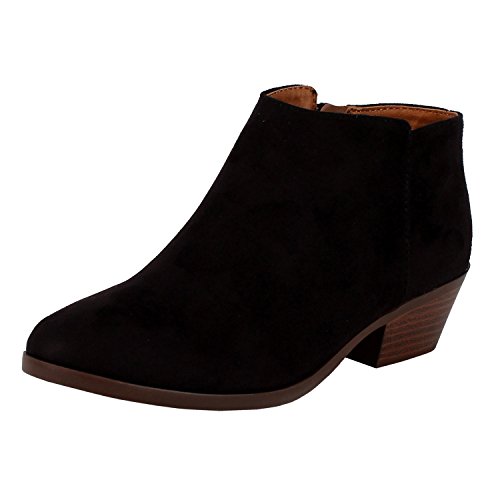
Western ankle booties can bring a compact flash of drama to Theatrical Romantic outfits, but the western label alone does not tell you whether a pair will work. The useful question is how the toe, shaft, heel, and surface look together once the boot is on your foot.
Use this guide before buying and again during the return window. You will compare the current listing details with the pair in hand, test the ankle break in motion, and build outfits that keep the boot intentional rather than rugged.
Start with the actual boot, not the product name
Western details can range from quiet seaming to oversized hardware. For this outfit direction, begin with the least flexible features: the toe outline, shaft opening, heel scale, and overall bulk. Those features determine whether the boot reads as a refined accent or becomes the heaviest part of the look.
The current merchant specifications for this Soda MUG style describe synthetic materials, an almond toe, a side zipper, a rubber outsole, and an approximately 1.5 inch block heel. The same page also contains conflicting promotional heel copy, so verify the selected size and color rather than treating one number as guaranteed.
Use the listing as a shortlist, then inspect the delivered pair. Check that the toe shape, heel height, finish, zipper, and outsole match what you expected before removing tags or planning an outfit around it.
Run the fit and movement checks
Read the toe from standing height
A product name may call a toe round while a specification table calls it almond. The useful test is visual. Stand normally and look down: the front should create a clean continuation from ankle to toe without appearing much wider than the rest of the boot.
Try the boot with the hosiery or socks you expect to wear. If the vamp wrinkles sharply, the toe presses, or the foot slides forward, styling cannot correct the fit. Compare another size or return the pair rather than hiding the problem under a longer hem.
Check the shaft while moving
Fasten the zipper fully, then walk, sit, and take a stair. The opening should not scrape the ankle, collapse into a deep fold, or hold the foot so loosely that the heel lifts. Repeat the test with bare legs and with your planned hosiery because the ankle break can change.
- Keep the pair when the shaft stays smooth enough in motion and the heel remains controlled.
- Reconsider it when rubbing, pinching, deep collapse, or repeated heel lift continues indoors.
Verify the heel and outsole
Do not infer stability from the words block heel or rubber outsole. Place the boots on a level indoor floor, check that both heels sit evenly, and walk at your normal pace. Listen for loose contact and notice whether your foot rolls or grips inside the boot.
The decision rule is simple: the shape must look refined when still, and the boot must remain secure through a normal indoor movement test.
Build the outfit around one clear line
Dress first, boot second
Start with a dress that has a visible waist and a hem that gives the boot room to read clearly. Matching tights can create one continuous color line, while bare legs make the shaft and toe contrast more obvious. Choose the option that makes the boot look integrated from several steps away.
- Pair a wrap mini dress with matching tights and a small shoulder bag.
- Pair a shaped knit midi dress with a short jacket and simple earrings.
Balance a skirt hem with the shaft.
A fluid skirt can soften the visual weight of a western bootie, but the hem should not repeatedly catch on the shaft. Walk, sit, and turn in front of a mirror. If the fabric bunches at the boot, shorten the visual gap with hosiery or choose a hem that clears the opening.
For more context on waist emphasis, curved detail, and controlled ornament, use the reviewed Theatrical Romantic guide before choosing the rest of the outfit. Apply the guide to the full look, then judge this boot as one supporting detail.
Let trousers meet the boot cleanly.
Trouser length should solve a practical problem, not manufacture a different toe shape. A cropped straight leg can reveal the shaft, while a slim bootcut can cover it. In both cases, the hem should clear the floor and avoid snagging on the boot.
- Check the front view for a clean line from trouser to toe.
- Check the side view for bunching at the shaft.
- Walk ten indoor steps and confirm that the hem returns to place.
Finish with one controlled detail near the face, such as a small pendant, shaped neckline, or compact earring. If the boot already has visible stitching or hardware, repeating several western motifs can make the outfit feel themed rather than deliberate.
Troubleshoot what looks wrong
If the boot looks too rugged, first reduce contrast. Try hosiery or trousers close to the boot color and replace a boxy outer layer with a shorter or more shaped one. This tests the outfit before you blame the shoe.
If the foot looks visually heavy, compare the boot with a cleaner hem and fewer competing accessories. Do not rely on a narrow trouser opening that catches above the shaft, because the resulting bunching adds more weight at the ankle.
If the waist disappears, adjust the clothing rather than forcing the boot to carry the look. A wrap closure, visible waistband, or jacket ending near the waist can restore the outfit's center without adding another ornament.
If the pair fits poorly, stop styling and return to the movement test. Pain, rubbing, heel lift, or unstable contact is a fit decision. A polished outfit cannot turn an insecure boot into a good purchase.
Use a final distance check before leaving home. Look at the outfit from across the room and confirm that your eye moves through the whole silhouette instead of stopping only at the boots.
Care for the material you actually received
The seller identifies this style as synthetic and recommends spot or wipe cleaning. Follow the label and care instructions supplied with your pair, test any product on a hidden area, and avoid assuming that methods for natural suede are automatically safe for a synthetic surface.
For general surface care, Who What Wear's suede shoe guide recommends gentle, minimal treatment, natural drying, and a soft brush rather than heavy water, rubbing, or direct heat. Use that as a cautious technique guide only when it agrees with the boot's own label.
The best western ankle bootie for a Theatrical Romantic outfit is not the pair with the most decorative details. It is the pair whose toe, shaft, heel, and finish pass both the visual check and the indoor movement test, then support a clear waist and a controlled outfit line.