Soft Dramatic Pencil Skirts With Casual Flats
A focused troubleshooting guide for making a black pencil skirt feel casual with flat shoes, using optional Soft Dramatic ideas for length, curve and a quieter finish.
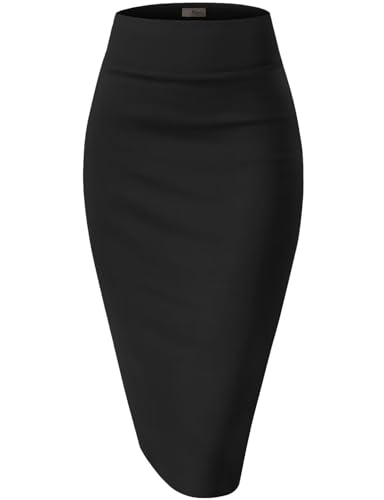
To wear a black pencil skirt casually with flats, start by connecting the top and skirt through color, add one generous draped shape, and choose shoes that feel like part of the whole outfit. For a Soft Dramatic interpretation, the aim is a long impression with visible curve, rather than a particular heel height. The Hybrid & Company black pencil skirt is the example here. Use the troubleshooting sequence below when your outfit feels more like a meeting than the day you planned.
That distinction matters if you like the skirt itself but keep rejecting the finished outfit. A Soft Dramatic reader's question about pencil skirts without heels captures the problem. The suggestions here are optional styling interpretations, not requirements attached to a body type. Begin with clothes and shoes you already enjoy, then change the detail that is interrupting your intended look.
If the outfit feels corporate, change the top first
Keep the skirt, but put aside the crisp shirt and matching jacket for a moment. Try a knit with a broad neckline, a softly gathered top, or a blouse with a single sweep of drape. Choose the version that gives your upper half a clear shape without introducing several competing details. You are changing the mood while keeping a deliberate outline, rather than trying to make every item look informal.
For a straightforward starting point, place a charcoal draped knit above the black skirt. Let the colors sit close enough that the waist is part of one composition. If a pale top is your preference, repeat that light tone in one accessory and keep the rest quieter. Contrast remains an option; make it a considered focal point rather than an accidental stripe across the middle.
Pay attention to where the top ends. A hem that stops at an arbitrary point over the skirt can become the loudest horizontal in the outfit. Try a clean tuck or a top that curves toward the waist instead. Neither is compulsory. Keep whichever treatment lets you see both the upper shape and the skirt, rather than allowing the top to conceal the entire composition.
If flats feel disconnected, follow the color and outline
Choose the shoe you want to wear before adding another layer. With a black skirt, a black flat offers a simple tonal starting point. An almond toe, a rounded toe with a clean outline, or a pointed toe can each belong in the outfit. Treat the toe shape as a design choice, and give your own foot needs priority over any suggestion about visual length.
If the shoe draws more attention than you want, ask what is doing it. It might be a bright sole, a contrasting strap, a dense cluster of decoration, or a very different color. Try changing one of those elements while leaving the rest of the outfit alone. This makes the decision useful: you learn whether the interruption was color, detail, or the overall scale of the shoe.
For bare legs, you might prefer a flat closer to your skin tone; for dark tights, consider continuing the dark color into the shoe. These are ways to compose an outfit, not promises about how your body will look. You can also repeat a contrasting shoe color higher up if you want that contrast to feel intentional. Flats do not need to impersonate heels to earn their place.
If casual becomes shapeless, simplify the layers
A roomy tee and an oversized jacket may be your favorite combination, but if they overwhelm this skirt, remove one layer before replacing the whole outfit. Try the tee with a more deliberate waist treatment, or keep a long open layer over a top whose shape remains visible. For this Soft Dramatic approach, choose one generous gesture and let the other pieces support it.
Texture can help you shift the mood. Consider a matte knit instead of a crisp blouse, or a relaxed overshirt instead of a matching suit jacket. Keep the experiment specific to what you own. A casual surface is only one part of the composition; it does not automatically solve a top hem, shoe contrast, and layer length that all ask for attention at once.
For example, build around the black skirt, a charcoal knit with a curved neckline, black rounded flats, and one substantial earring. If you need a layer, try a dark open cardigan that carries the color downward. If you prefer more color, substitute a deep plum top and echo it once. This gives you a choice between a quieter column and a deliberate color emphasis, without making heels the deciding factor.
Keep the styling idea separate from the purchase
Hybrid & Company describes this black high waist pencil skirt as a style intended to fall below the knee. Its pictured outline is narrow with a tapered hem. Those details explain its role in these outfit suggestions, but they do not establish where the hem will land on you or how the skirt will move on your body.
Current availability is unknown. Before ordering, check the selected black option, size chart, material details, current offer, and return terms on the product page. Do not infer your size from a styled image. If you already have a black pencil skirt, use that first: the sequence is about resolving an outfit, so a new purchase is not necessary to apply it.
When an outfit still feels too formal, return to the first unresolved detail: the top, the shoe, or the layer. Change that piece and leave the rest alone. The Soft Dramatic style guide below offers a broader explanation of long line and controlled drape. Use it to choose a direction while keeping the final decision with your own taste.