Soft Classic Perfume for Floral Polish
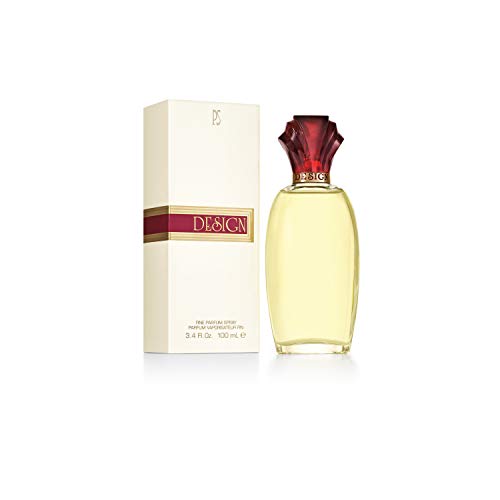
Paul Sebastian DESIGN is a floral perfume with jasmine, citrus, ylang ylang, tuberose, gardenia, and woody musk. Use this guide to test the scent on your skin, choose an application plan, and decide whether its full floral profile fits your Soft Classic routine.
Paul Sebastian DESIGN can suit a Soft Classic beauty routine when you want a full floral scent and a measured application. The useful question is not whether every Soft Classic should wear it. The question is whether its note profile, strength on your skin, and place in your routine match what you enjoy.
This guide turns that choice into a short trial. Check the listed notes, test the fragrance on your own skin, then decide how much presence you want before buying a full bottle.
Read the note profile before you buy
The Paul Sebastian product page lists night blooming jasmine and citrus at the top, yellow ylang ylang and tuberose in the middle, then sweet gardenia and woody musk in the base. It also identifies the bottle as a 3.4 fluid ounce liquid fragrance and describes the scent as floral.
That list gives you the first decision rule. Try DESIGN if you already enjoy white florals and want the scent to move from a brighter opening into a floral center and musky base. Pass if tuberose, gardenia, or musk usually feels too rich for you. Notes describe the intended structure, but they do not predict exactly how the perfume will smell or last on your skin.
Separate product facts from preference
The listed notes and bottle size are product facts. Words such as polished, soft, or strong describe a wearer's judgment. Keep those categories separate when you read reviews. A useful review can tell you what another person noticed, but your own skin trial should decide whether the scent fits.
For a Soft Classic approach, look for balance in the whole beauty routine. If your hair, makeup, and neckline already carry detail, a smaller perfume application may be enough. The Soft Classic guide can help you compare the fragrance choice with the rest of your styling plan without turning perfume into a rule about identity.
Test the scent in two stages
Start with a paper strip if one is available. Smell the opening, wait for the middle, and return later for the base. If you still like the direction, test one spray on clean skin on a different day. Fragrance professionals interviewed by Harper's Bazaar recommend skin contact because warmth and individual skin chemistry affect development. They also treat two or three sprays as a general starting range, not a promise for every formula or wearer.
Use a one wear checklist
- Notice whether the opening feels pleasant after the first few minutes.
- Check the middle after the initial brightness settles.
- Recheck the base later instead of judging only the first spray.
- Ask whether you would choose this scent for an ordinary day, not only for a sample session.
- Record irritation, headache, or discomfort and stop using it if a reaction develops.
Do not add scented lotion during the first trial. An unscented moisturizer may change how long fragrance stays on skin, while another scented product can make it hard to tell which notes belong to DESIGN. Test the perfume alone before you decide whether layering adds anything useful.
Choose an application that fits the setting
For a first full wear, begin with one spray on a wrist or another small area of skin and let it dry. On a later wear, you can compare that result with a second spray at the side or back of the neck. The goal is to learn how the fragrance behaves around you, not to reach a fixed spray count.
Skin and fabric answer different questions. Skin shows how the scent develops with warmth. Fabric may hold scent longer, but fragrance can mark some materials, so test an unseen area before spraying clothing. Avoid making silk, cashmere, or a favorite blouse the first fabric trial.
Use the setting as a limit. A close space, office, medical setting, shared car, or fragrance sensitive household calls for less scent or none. Outdoors or a larger social setting may tolerate more, but the people sharing the space still matter. If you stop noticing the perfume, do not assume everyone else has stopped noticing it too.
Know when fragrance needs a safety check
Fragrance can cause allergic contact dermatitis in some people. DermNet's fragrance allergy guide describes delayed reactions that can appear hours or days after skin contact, often with itching, burning, or a rash. If perfume causes a reaction, stop using it. A clinician or dermatologist can assess persistent or recurring symptoms and may use formal patch testing when appropriate.
Do not treat a casual home trial as a medical allergy test. A small first wear can help you notice discomfort, but it cannot diagnose a fragrance allergy. If you already know that fragrance triggers dermatitis or another medical problem, follow your clinician's advice rather than this buying guide.
Make the final decision
DESIGN is worth a skin trial when its jasmine, citrus, ylang ylang, tuberose, gardenia, and woody musk profile sounds appealing and you want a floral scent that can move between daytime and evening use. The manufacturer's note list supports that description. Your trial decides the rest.
Buy the full bottle only if you enjoy the opening, middle, and base on your skin, can wear it comfortably, and have a realistic setting for it. Skip it if the white florals feel too dense, the base does not suit you, or fragrance is unwelcome where you spend most of your time. That decision is more reliable than choosing perfume from a style label alone.