How to Choose a Relaxed V-neck Blouse for Flamboyant Natural
A relaxed V-neck blouse can give a Flamboyant Natural outfit an open neckline and an easy silhouette. Use this guide to judge shoulder room, drape, length, and outfit balance before buying.
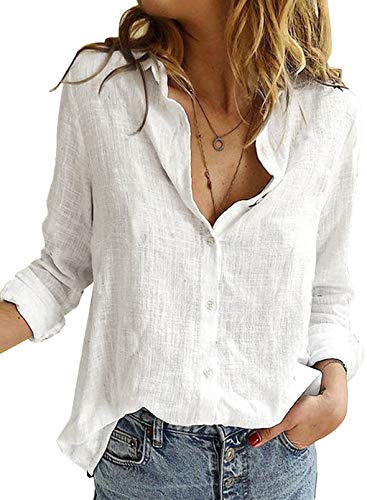
A relaxed V-neck blouse can be a useful starting point for a Flamboyant Natural wardrobe because it offers an open neckline without asking the rest of the outfit to become fussy. The aim is not to find one perfect blouse or to hide the body. It is to choose a top that leaves room through the upper body, falls with ease, and works with the longer, broader impression you may want your outfit to carry.
What to look for in a relaxed V-neck blouse
Start with the shoulder area. A blouse should allow you to reach forward and lift your arms without pulling across the upper back or tightening at the armhole. A shoulder seam may sit at the shoulder or slightly beyond it when the cut still feels intentional. What matters is that the garment has enough room to move, rather than looking strained or overly tailored.
The neckline is a second useful cue. A V-neck, an open collar, or a softly unbuttoned placket can create breathing room near the face. That openness works especially well when the blouse also has a simple front and sleeves with a little volume. Wardrobe Palette's Flamboyant Natural guide likewise points to relaxed shapes and natural shoulders, which makes this a practical lens for judging a blouse rather than a rigid rule.
Look for fabric that falls away from the body instead of catching at every point of contact. A woven fabric with enough body to hang cleanly can be easier to style than something very thin or clingy. Texture can add interest, but the overall effect is usually clearest when details stay simple: a quiet placket, a straightforward cuff, and a hem that does not introduce unnecessary contrast.
Check the fit before you keep it
Try the blouse with the bottoms you are most likely to wear. Stand naturally, reach for something at shoulder height, then sit down. The goal is not extra room everywhere. You are checking whether the fabric remains easy through the back, bust, and upper arm while the front still reads as one clear shape. If the buttons pull, the armhole pinches, or the fabric twists when you move, another size or cut is likely the better choice.
Length deserves the same attention. A hem that reaches around the hip often gives you several options: wear it loose with straight trousers, tuck a small amount at the front, or layer it under a longer jacket. Rather than relying on a fixed measurement, look at where the hem meets your chosen waistband and whether it interrupts the outfit in an awkward place. A blouse that feels good on its own can still be difficult to wear if its hem constantly bunches under a jacket or rides up when you sit.
The same check applies to sleeves. Roll tabs can be handy, but use them only if the rolled sleeve still leaves enough room at the forearm. If you prefer the sleeve down, make sure the cuff does not pull when you bend your elbow. These small movement checks make a purchase decision more useful than judging the blouse only on a hanger.
Build an outfit around ease and scale
A relaxed blouse is easiest to style when the rest of the outfit gives it a clear partner. Straight denim, roomy trousers, or a skirt with a simple sweep can keep the blouse from feeling isolated. A wider belt, substantial shoe, or textured bag can add presence when you want definition, but none of them needs to compete with the neckline.
For work, try the blouse worn loose with straight trousers and an unstructured jacket that extends past the hip. For a casual day, pair it with relaxed denim and a shoe with some visual weight. If you prefer a more defined waist, a small front tuck can create shape while keeping the back and sides easy. Treat the blouse as one part of the outfit, not as a standalone solution.
Doctor T Designs' sewing guide offers a similar emphasis on simple necklines, roomier cuts, and uncomplicated detail. That perspective is helpful when deciding between two blouses that look alike online: favor the one whose shoulder, sleeve, and fabric will let the whole outfit feel relaxed in motion.
Make the decision in context
A blouse is worth considering if its shoulder area feels easy, the V-neck sits comfortably, and the fabric skims rather than clings when you move. A simple front can make it a flexible option with denim or trousers, especially if you want a top that can shift from casual plans to a more polished layer. The best size is the one that gives your upper body room without leaving so much fabric that the blouse loses its shape.
Skip it if the buttons pull, the shoulder seam feels restrictive, or the hem is difficult to wear with the bottoms already in your closet. Those are fit problems, not problems you need to solve with accessories. A blouse that passes the movement check and works with two or three outfits you already enjoy is more likely to earn regular wear.
Keep the choice personal
Flamboyant Natural guidance can help you notice proportions, openness, and ease, but it does not replace your own comfort or taste. You may prefer a brighter color, a closer fit, or a more pronounced sleeve. Use the suggestions here as a way to compare garments, then keep the blouse that lets you move freely and makes getting dressed feel straightforward.
The strongest choice is usually the one that gives you an open neckline, enough shoulder room, and a clean relationship with the rest of your outfit. When those pieces work together, a relaxed V-neck blouse becomes an easy repeat rather than a top that needs constant adjustment.