Black or Brown? A Dramatic Skinny Belt Guide
A Dramatic shopping guide to choosing the black or brown belt in Calvin Klein's skinny two belt set by color echo, contrast, and line continuity.
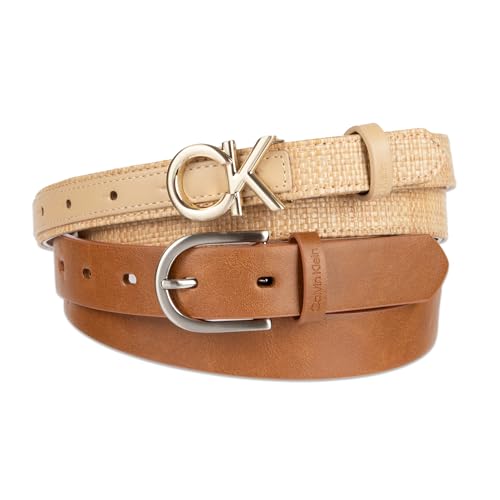
The Calvin Klein skinny belt set can work for a Dramatic wardrobe when you want a precise, secondary line break and choose the color deliberately. The set includes black and brown options at three quarters of an inch wide, so neither should be treated as a default Dramatic statement belt. Its better role is to echo a strong color already in the outfit or to create one controlled contrast without competing with the larger silhouette.
Decide what the belt should do
Begin with function, not a rule that black is always sharper or brown is always softer. A narrow belt can disappear into a matching garment, repeat another accessory, or interrupt a long column. For a Dramatic styling goal, the cleanest choice is usually the one that makes one of those jobs obvious.
If you want the belt itself to provide substantial visual scale, this set is unlikely to be the first choice. The three quarter inch width is narrower than the one inch option discussed in our one inch belt scale comparison. Here, the outfit should already carry the strong vertical, crisp tailoring, or decisive shape. The belt edits that composition rather than leading it.
Use this three question comparison before choosing a color:
- Which belt continues the largest garment color area?
- Which belt repeats a shoe, bag, or outerwear accent already present?
- Do you want the waist break to recede or register clearly?
When the answers point to one color twice, use that belt. When they split, prioritize the first question for the longest visual line, then check whether the buckle introduces a useful or distracting second accent.
Choose black for continuity or crisp contrast
Choose black when the outfit already contains a strong black column or a meaningful black anchor. With black trousers and a black top, the belt can define the waist while keeping the vertical nearly continuous. With a pale monochrome outfit, the same belt creates a sharper interruption, so repeat black in a shoe or structured bag if you want the contrast to look deliberate.
Black also makes sense when the outfit's shape is already complex. Matching the belt to a garment can keep a necessary waist definition from becoming another competing detail. This is especially useful with a long jacket, a column dress, or trousers under an angular top layer: the belt supports the architecture without asking for center stage.
The set uses two distinct buckle treatments, so color is not the only visual choice. Compare the black belt's buckle with earrings, bag hardware, and shoe details. A single metal mismatch is not automatically a problem, but several small, unrelated accents can weaken the clear hierarchy that this narrow belt needs.
Choose brown as a deliberate warm echo
Choose brown when the outfit already has a warm leather note worth repeating. Brown shoes, a structured brown bag, or a camel coat can give the belt a visible reason to be there. The repeat does not need to be an exact color match; it needs enough similarity that the eye reads a planned family of warm accents.
Avoid inserting brown as the only warm, narrow stripe across a cool black or charcoal column unless that contrast is the actual point. A lone brown interruption may look incidental. Add one more warm anchor above or below the waist, or switch to black so the belt serves continuity instead.
Brown can also soften the transition between warm neutrals without making the outfit visually vague. On an ivory top with deep brown trousers, for example, the brown belt can extend the lower color upward. On a camel dress, it can recede while its buckle supplies the smaller point of definition.
Check size and buckle before buying
The exact listing describes seven holes and gives belt lengths of 37 inches for S, 39 for M, 41 for L, and 44 for XL. Those listed lengths are more useful than assuming your usual clothing size will transfer directly. Decide where you plan to wear the belt, measure over the clothing at that position, and compare the result with the listing before ordering.
Calvin Klein's women's size guide uses waist and hip measurements for size guidance. For this purchase, treat those measurements as a starting point and the exact belt length as the final check. A belt intended for a trouser waistband may need a different working length from one worn over a dress or jacket.
Also inspect the buckle treatment on the color you expect to wear most. The two belts are not interchangeable color copies with identical hardware. If one buckle relates more cleanly to your usual jewelry and bag hardware, that can break a tie between black and brown.
Before ordering, verify these points:
- Your measured wearing position corresponds sensibly to the listed belt length.
- The seven hole range is likely to place your measurement away from an unusable extreme.
- Your preferred color has a clear job in at least two outfits you already own.
- Its buckle treatment works with the hardware you repeat most often.
Build the outfit around one clear relationship
For a black column, use the black belt to define without fragmenting. Keep shoes close to the column, then let a long coat, pointed shape, or structured shoulder carry the larger Dramatic statement. The belt remains visible, but its color does not shorten the line.
For a light column, choose black only when you want an assertive waist break and can repeat it elsewhere. Choose brown when warm accessories already frame the outfit. In both cases, the repeat is what turns a skinny stripe into an intentional styling decision.
For mixed neutrals, assign the belt to one side of the outfit. A brown belt can connect camel outerwear to brown footwear; a black belt can connect dark trousers to a black bag. Do not ask it to reconcile every color. Give it one relationship, then let the garment silhouette provide the long, decisive shape.
The useful question is not which color looks more Dramatic in isolation. It is which belt makes the outfit's line and accent hierarchy easier to read. Choose black for continuity or a crisp repeated contrast, choose brown for a purposeful warm echo, and skip this narrow scale when the belt itself needs to be the main statement.