Dramatic trench coat outfits for clean verticals
A belted khaki trench works best for Dramatic outfits when the shoulders sit cleanly, the base layer reads as one column, and the belt defines the waist without bunching the front. Use these outfit formulas and buying checks to make the coat feel intentional.
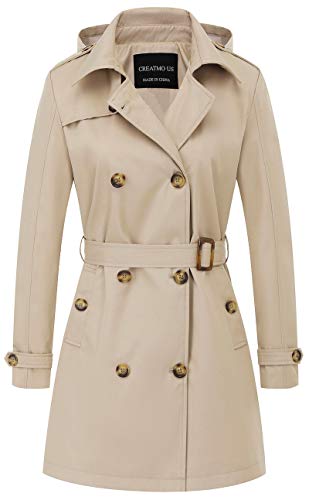
Dramatic trench coat outfits work when the coat supports a long, clear outline instead of competing with it. Start with a narrow base layer, a shoulder line that lets you move, and one deliberate waist definition. The goal is not to make a trench severe. It is to give the coat enough structure that the rest of the outfit can stay simple.
The CREATMO trench in this edit is listed as a khaki polyester coat with a double breasted front, adjustable belt, back vent, pockets, and detachable hood. Use the product page and size chart as the final word on the exact color and size in your cart.
Build the long line before you add the trench
A trench looks most deliberate when the layers underneath read as a column. Choose a top and bottom in similar depth, then let the coat frame them. A fine knit mock neck with a straight trouser, a sleek midi dress, or a smooth long sleeve tee with a narrow skirt all create a clean starting point.
Keep the strongest detail at the coat. A busy scarf, bulky knit, or sharp contrast placed at the waist can break the vertical line before the trench has a chance to do its work. If you want more outerwear ideas, use this guide to sharp, streamlined Dramatic coat outfits for the same column first logic.
The product card below is most useful as an orientation point. Its double breasted front and belt can bring structure, but the outfit underneath decides whether the full look stays clear.
Check shoulder movement and belt placement
Before styling, put the coat on over the layer you expect to wear most often. Reach forward, sit down, and close the front through the bust and waist. The shoulders should stay in place, the sleeves should not pull at the upper arm, and the buttons should close without strain. If one of those checks fails, another size or cut will serve the outfit better than extra styling tricks.
Use this quick check before you keep the outfit:
- The shoulders stay in place when you reach forward.
- The sleeves move without pulling at the upper arm.
- The buttons close smoothly through the bust and waist.
Use the belt as a finishing tool rather than a way to force the coat into shape. Center the buckle, smooth the belt flat, and let the back vent hang straight. When you wear the coat open, tie the belt behind you so loose loops do not interrupt the side line.
The second product card belongs after this decision because it reinforces the role of the buttons and belt without asking the coat to do all the shaping. Keep the base narrow enough that the trench reads as one long layer.
Three outfit formulas for a crisp result
For work, pair a black knit top with black straight trousers, then wear the trench open with the belt tied behind you. Add a pointed toe boot or sleek loafer and a firm rectangular tote. The dark base keeps the vertical line quiet while the coat supplies the contrast.
For weekends, use a slim crewneck and straight jeans in similar depth. Wear the trench belted with the buckle centered, then finish with a clean ankle boot or a simple sneaker. If the hem starts to look choppy, simplify the shoe before adding another layer.
For travel, use a smooth tee or turtleneck with slim ponte pants, then wear the trench closed with the belt snug but not tight. A low heel boot with a longer shaft keeps the leg line clear, and a crossbody worn high avoids cutting across the hip.
For evening, start with a dark slip dress or narrow knit dress. Button the trench to mid torso, tighten the belt only enough to define the waist, and use opaque tights with a closed toe pump. One linear pendant is enough jewelry when the lapels and belt are already doing the visual work.
The third card is a weather option, not a promise that the coat replaces technical rain gear. Keep its hood for a short wet commute, then remove it when you want the collar and lapels to take the lead.
Treat the weather claim and care label carefully
The selected coat is described as water repellent with a 3000 mm rating. A millimeter rating measures resistance under a water column, but testing and brand thresholds vary, so treat the figure as a light rain feature rather than a guarantee for prolonged or severe weather. REI explains the limits of rating comparisons in its guide to how rain gear works.
For care, follow the label for the exact coat first. Before washing a water repellent garment, avoid fabric softener or intense heat, which can reduce fabric performance. Keep the lapels and belt smooth while the coat dries so the next outfit starts with the same clean edge.
A Dramatic trench outfit does not need many moving parts. Start with the long line, confirm that the shoulders and belt work in motion, and use the hood and weather claim within their limits. The result is a coat you can repeat for work, weekends, and an unexpected shower without losing the sharpness that made you choose it.